

For the New Yorker (or other metropolitan resident) who loves cities, believes in their future and wants gifts with civic soul. Our second annual edition.
Last December, we published our first holiday gift guide on the theory that some of our readers would rather give a book about parking than another scented candle (though to be fair to scented candles, there are some city-themed ones out there). We’re back for seconds.
A lot happened in New York City this year. A new mayor took office promising to make history. The MetroCard became history. The Knicks won the title for the first time since 1973. This list is inspired by all that, along with the books we reviewed, the arguments we had and the strange things we couldn’t stop thinking about.
As before, nothing here is sponsored.
Shelf improvement
Covers courtesy of the publishers (from left): W. W. Norton & Company; Knopf; Little, Brown and Company; Oxford University Press; Columbia University Press; Rutgers University Press; Simon & Schuster; Rutgers University Press; Fordham University Press; Knopf; University of Chicago Press; Astra House; Columbia University Press.
Books remain hard-to-match gifts for people who think about cities. This was a strong year for them. (Where possible, all links go to our friends at McNally Jackson, because independent bookstores are worth supporting. Visit them or another city shop of your choosing.)
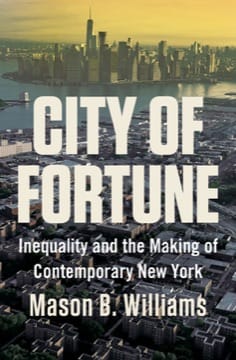
City of Fortune: Inequality and the Making of Contemporary New York
Mason B. Williams (2026)
The Williams College professor tells the story of 50 years of New York, from the 1975 fiscal crisis through to the de Blasio years, through the lens of housing, schools and policing. Our reviewer, Joseph Viteritti, called it required reading for the Mamdani administration and its critics alike.
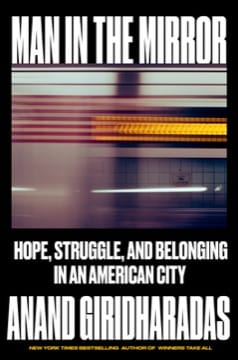
Anand Giridharadas (2026)
The killing of Jordan Neely on the subway and the trial of Daniel Penny split New York. Brandon del Pozo, a former NYPD precinct commander, found Giridharadas’ retelling unsparing on the failures of the mental health system and too simple on the trial. This one might not scream “Christmas spirit,” but give it to someone who likes to argue.
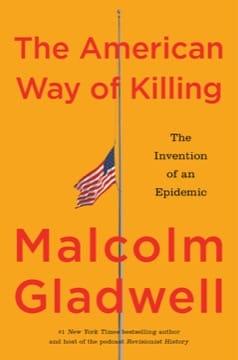
Malcolm Gladwell (2026)
Why does the richest country on Earth (that’s us) have a homicide rate more than three times that of Canada? Gladwell’s answer will inform and potentially irritate you, as Duke University Professor Emeritus Philip J. Cook wrote in our pages.
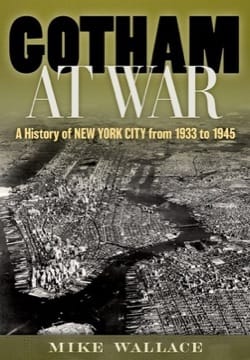
Gotham at War: A History of New York City from 1933 to 1945
Mike Wallace (2025)
Mike Wallace, who died in July, spent decades writing a monumental history of New York. This third and final volume carries the story from the Depression through World War II.
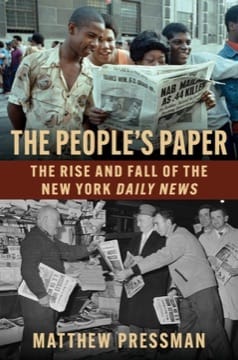
The People’s Paper: The Rise and Fall of the New York Daily News
Matthew Pressman (2026)
Long before its recent shrinkage, America’s first tabloid was a powerful force, selling more than 2 million copies a day. (Full disclosure: Our managing editor spent 17 years at the paper, including during the period Pressman characterizes as its decline, and enjoyed nearly all of them.)
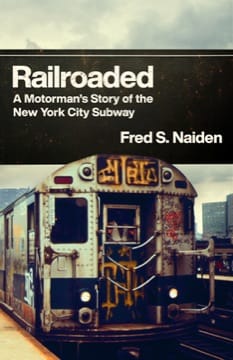
Railroaded: A Motorman’s Story of the New York City Subway
Fred S. Naiden (2026)
This is not a typical trajectory: In the 1980s, Naiden cleaned stations and drove trains. Then he left to earn a Harvard Ph.D. in ancient history. The result is a funny, gritty memoir of the system. In May, we talked to him about the 1980 transit strike.
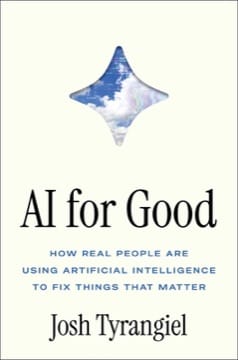
AI for Good: How Real People Are Using Artificial Intelligence to Fix Things That Matter
Josh Tyrangiel (2026)
The doomers say superintelligence could end humanity as we know it; the boosters are hoping for a cure to cancer. Tyrangiel went to hospitals, schools and the IRS to see what AI can do when it’s used smartly. Earlier this year, he told us what the technology could mean for New York City government.
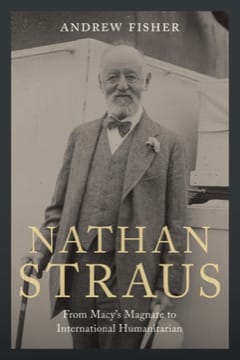
Nathan Straus: From Macy’s Magnate to International Humanitarian
Andrew Fisher (2026)
Few people know the story of the department store mogul who spent his fortune making milk safe for New York’s babies — but he’s actually a model of what unglamorous philanthropy can accomplish, as Leslie Lenkowsky explained in his review.
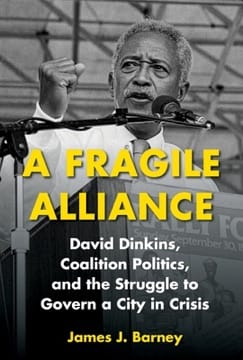
A Fragile Alliance: David Dinkins, Coalition Politics, and the Struggle to Govern a City in Crisis
James J. Barney (2026)
As most Vital City readers know, the multiracial coalition that elected New York’s first Black mayor started to unravel in the early 1990s as the crack cocaine epidemic, racial strife and recession hammered the city. This book is valuable reading for anyone watching the current history-making mayor hold his coalition together.
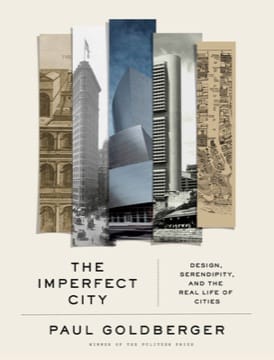
The Imperfect City: Design, Serendipity, and the Real Life of Cities
Paul Goldberger (2026)
The Pulitzer Prize-winning critic, who’s written for Vanity Fair, the New York Times and the New Yorker, makes the case for cities that leave room for both grand plans and happy accidents.
For Customers Only: Public Bathrooms and the Making of American Inequality
Bryant Simon (2026)
We’ve published an essay on how sewer socialism is becoming toilet socialism as Mamdani plans to deliver new public restrooms at a reasonable cost. This book tells the tale of how cities once built grand comfort stations and bragged about them, and what happened next.
Metropolitans: New York Baseball, Class Struggle, and the People’s Team
A.M. Gittlitz (2026)
The Knicks may have felt like the only team in town this year, and the Yankees may be an ever-present force — but the Mets once captured New York’s heart. This history of the team explains how.
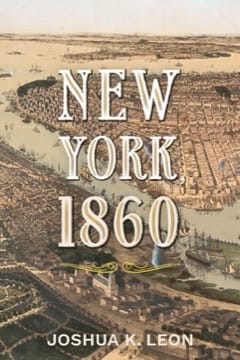
Joshua K. Leon (2027)
If you know someone who’s simultaneously a Civil War and New York City history buff — perhaps someone named Burns? — consider gifting them this biography of the city in the year before the Civil War, when Wall Street was invested in Southern plantations and the mayor floated secession. (This one’s a preorder for January.)
The very New York objects section

Photos courtesy of (from left): NYC Department of Citywide Administrative Services; New York Transit Museum; MoMA Design Store; Metropolitan Transportation Authority; FrenchmanRiver on Etsy; Only NY; The New York Historical; Jon Keegan, Beautiful Public Data.
Want to get someone you love something as inimitable as the city? Some ideas.
Something from the City’s surplus auctions
The Department of Citywide Administrative Services doesn’t just manage the core internal operations of New York City government. It auctions off retired City property, from antique traffic-signal lenses to one of the 30 “Champions Way” signs that hung over the Knicks parade route. No, you don’t get a taxpayer’s discount.
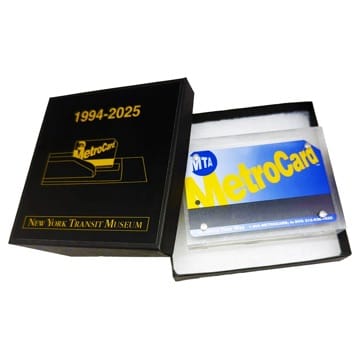
The swipe that replaced the token may be gone forever, replaced by a tap. But you can still be nostalgic about it, in much the same way people still pine for cassette tapes. The Transit Museum store is the place to look.
A live subway map
Two companies sell electronic maps of the subway that show trains moving in real time. The Metroboard is a framed, 16-by-11-inch display made of walnut and aluminum. The Traintrackr NYC Subway Circuit Board puts 599 colored LEDs on a green printed circuit board, with the Hudson and East Rivers rendered in copper. It’s sold at the MoMA Design Store.
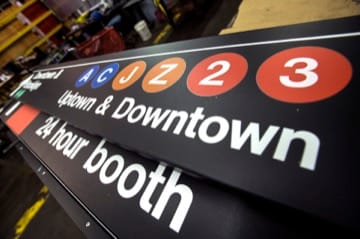
New York City Transit sells retired station signs, grab handles and seats of old Redbirds and Brightliners. Prices run from $85 to $25,000. If you have an achingly blank spot on your wall, email asset.recovery@nyct.com to ask what’s left after this year’s pop-up sale.
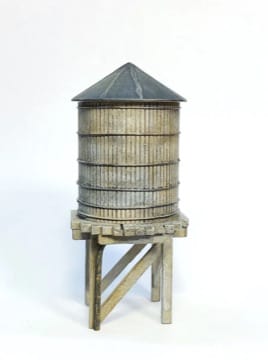
A wooden water tower, in miniature
There are still thousands of these on New York’s rooftops, and we explained why. A desk-sized model kit is the next best thing to a tank on your own roof. Etsy sellers make other versions, too: here and here.
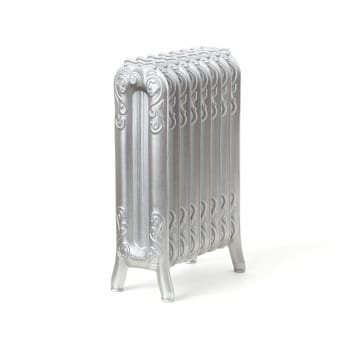
Only NY’s resin model of the clanking, hissing cast-iron radiator found in so many prewar apartments — which Vital City explored here — works as a paperweight or bookend or just as something to stare at.
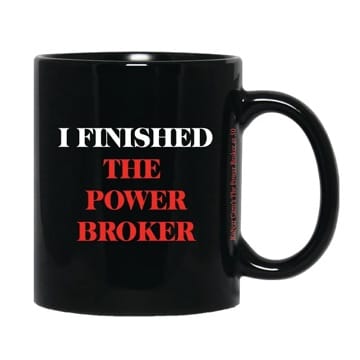
“I Finished the Power Broker” Mug
Back by popular demand. Buy it and pretend you did, while wearing an “I Finished the Power Broker and All I Got Was This Lousy T-Shirt” t-shirt. Also a good gift for anyone who attended the marathon reading of the book in Gowanus, or just thought about going.
Prints from the New York City Municipal Archives
Photographs, drawings and maps of the city as it was, ready for your wall.
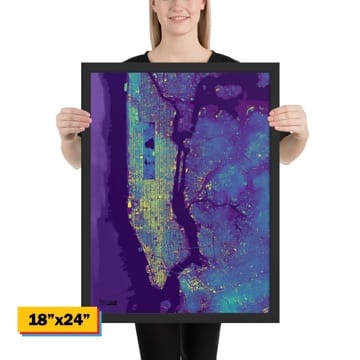
Jon Keegan, a data journalist formerly at the Wall Street Journal, made this print from the City’s open data. It features the footprint of every building on the island, layered over elevation data. A framed 18-by-24-inch print is $148.
Just about anything from the Tenement Museum Shop
This is still a reliable source of gifts with Lower East Side immigrant soul.
Big Apple-arrel
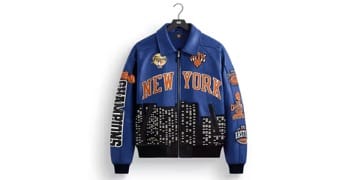
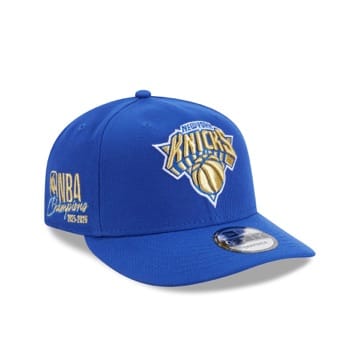
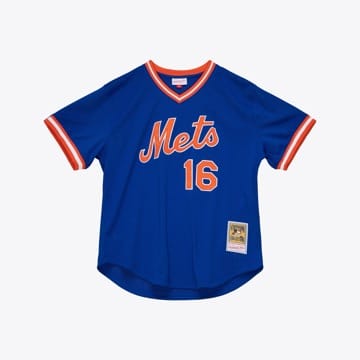
Photos courtesy of (from left): Kith; New Era Cap; Mitchell & Ness.
This year, plenty of New Yorkers are wearing their civic pride in orange and blue, and we see no reason to fight that.
Kith x Knicks championship collection
After 53 years of waiting, you deserve a satin bomber from a hometown label.
The cap the players wore on banner night, at a fraction of the price of a bomber.
This one is for the Mets fan who spent 2026 in last place and desperately needs to conjure up the spirit of Mookie, Buckner and the October that brought the city together.
New York City experiences
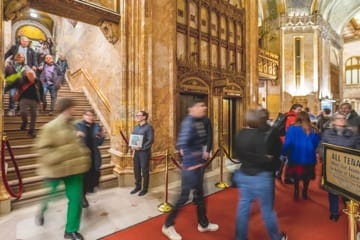
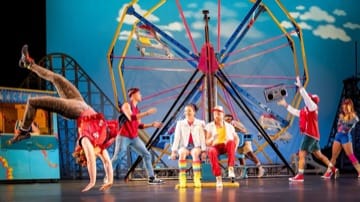
Photos courtesy of (from left): Citi Bike; John Ng, Open House New York; New Victory Theater.
Some of these cost a few hundred dollars. One costs nothing at all.
A year of rides for $239, delivered as a code that never expires. After you’ve purchased it, read our thoughts on making micromobility work.
The Bowery institution reopened in March with an expansion that nearly doubles its galleries, which is a good excuse for repeat visits.
Open House New York membership
Access to the buildings, tunnels and treatment plants the rest of us only walk past.
Know a kid? They’ll love shows here; we guarantee it. (Not a guarantee.)
Tickets to any other live theater
Try TodayTix or Broadway Direct, or just go straight to a box office.
A library card
It costs nothing and opens everything. Visit an NYPL (Manhattan, the Bronx and Staten Island), Brooklyn or Queens branch near you.
A taste of the city
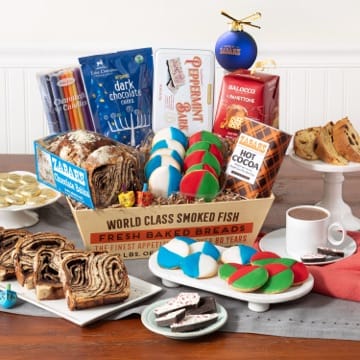

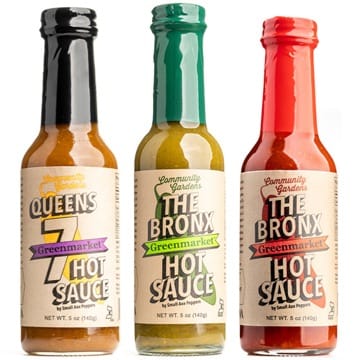
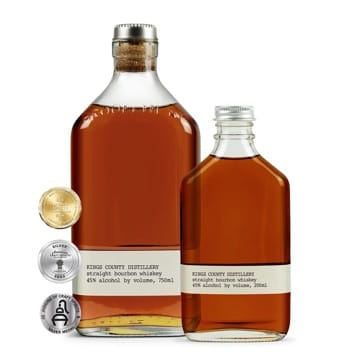
Photos courtesy of (from left): Zabar’s; Li-Lac Chocolates; Small Axe Peppers; Kings County Distillery.
Sweet or savory, sitting down or standing up. Our favorites from last year are still our favorites, and we’ve added one gift that comes with a side of economic development. Oh, and while you’re thinking about food, read this incisive diagnosis of the real reason New Yorkers’ groceries cost so much.
Whether you want meat, cheese, latkes, sweets, bread or anything else, they’re really, really, really good.
Chocolate from Li-Lac Chocolates
New York City’s oldest chocolate house.
Small Axe Peppers Hot Sauce Three-Pack
Made with peppers grown in community gardens in the Bronx and Queens.
Whiskey from Kings County Distillery
Brooklyn Navy Yard bourbon for the bar cart.
A gift card to a neighborhood restaurant
Just pick one you love. New York’s restaurants employ nearly 280,000 people and face no shortage of hurdles. Dinner out is the most delicious form of local economic development.
Subscriptions or donations to independent media
We’re proud to be part of a thriving nonprofit media ecosystem. Just as we need your support, so do our cousins.
New York’s flagship nonprofit newsroom, with a new name this year and the same interest in holding government accountable.
Investigative reporting on how Albany really works, which matters more than ever in a year when the State balanced the City’s books.
Essential coverage of New York’s immigrant communities, in a year that badly needed it.
Worker-owned, sharp, funny and deeply reported.
Local reporting, public radio and indispensable urban coverage.
The daily must-read on bikes, buses, parking and street design.
For the person who has everything
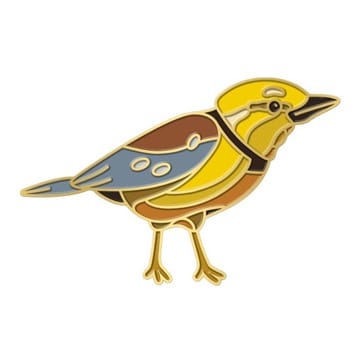
Photo courtesy of Art of Play.
Last year we offered a $128 million penthouse, marked down by $22 million. This year we’re sharing something more affordable.
Molly, the bird at Art of Play
Molly is a singing and dancing cuckoo cousin mounted on the wall of Art of Play, a magic and puzzle shop on Atlantic Avenue. Call ahead to confirm pricing and availability. But seriously, shop the store. It’s a great little place.


